Castles.
You may wish to consider a visit to these as part of your stay at the Glaramara Hotel. All of the following are within driveable distance in any one day:
Sizergh Castle (Nr Kendal):
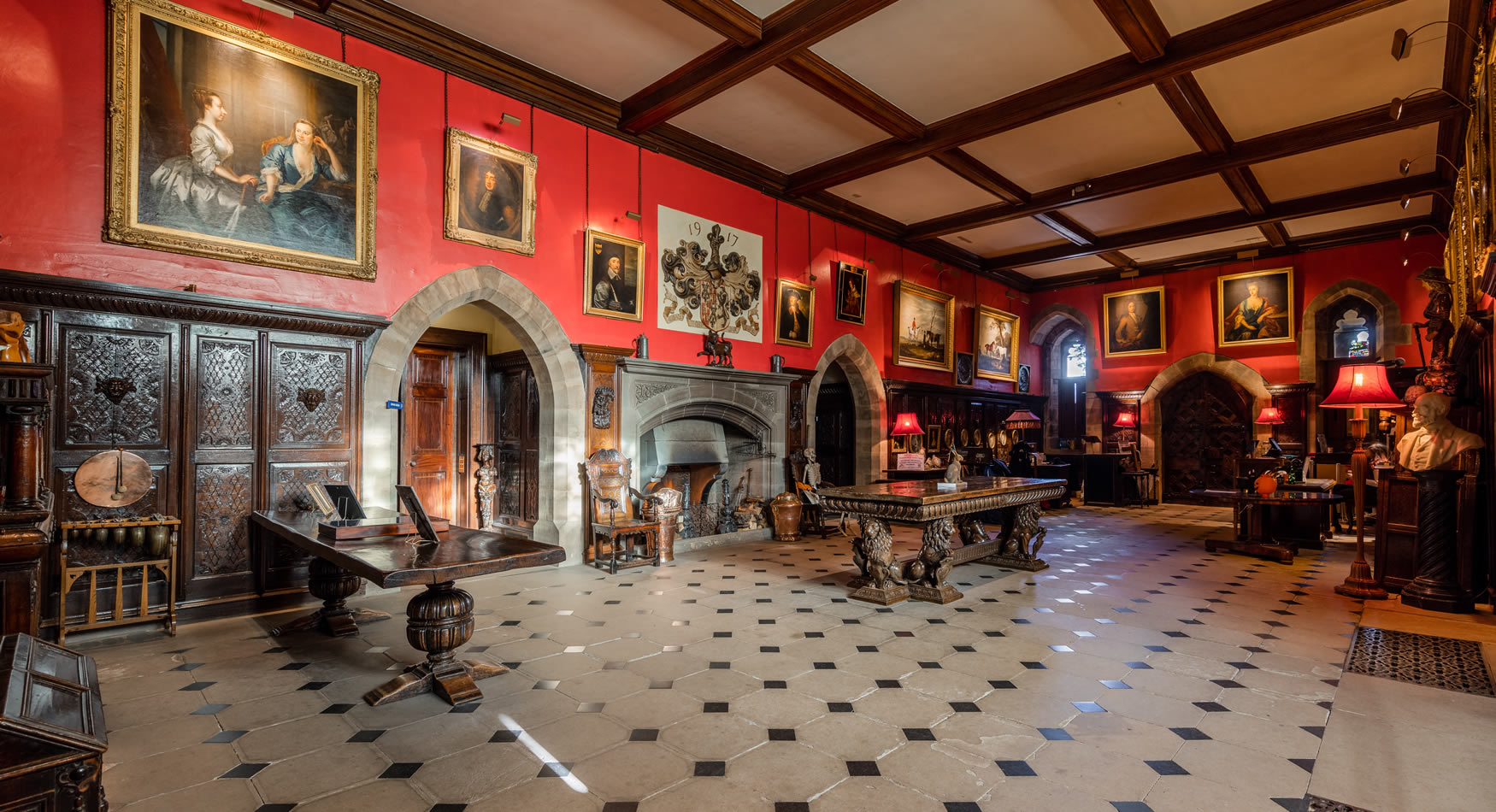
Close to the market town of Kendal, the journey from the hotel is very pleasant as you ‘snake’ your way through the central lakes. This medieval castle is set in beautifully maintained grounds with woodland trail. Catherine Parr, the last of Henry VIII’s wives lived here and it is famous for its collection of oil paintings. National Trust membership rates apply.
Muncaster Castle (Ravenglass):
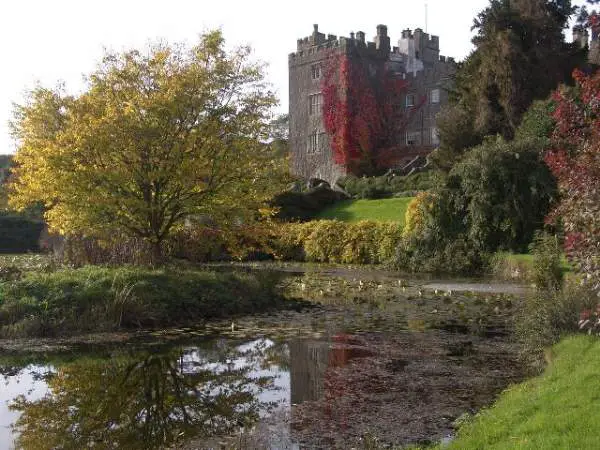
In a slightly different direction but towards the south of the county, you will find another medieval castle; this one having been the home to the Pennington family since 1208, Visits include castle tours around the castle, wandering around the expansive gardens, getting lost in a maze, spending time in the Hawk and Owl Centre and admiring the local 12th century church. Watch out for the ghosts as there is long tradition of haunting !!
Lowther Castle (Nr Penrith):
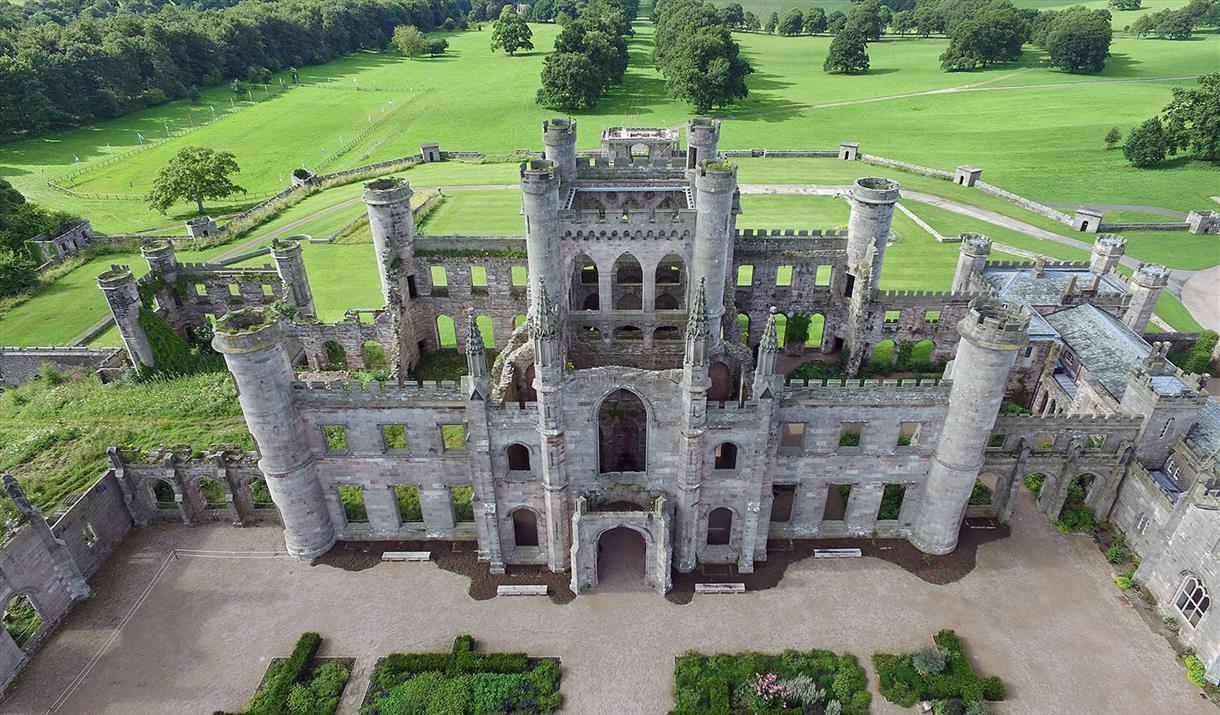
Going east this time and close to the A6 (and M6) is the ‘seat’ of the Lowther family for over 800 years. However, the castle itself was only built in its current form in the early 19th century. The passage of time together with some bomb damage means that the castle was largely demolished. The extensive outer shell is still in fine condition and worth seeing and in more recent years, there has been much restoration of the site – buildings and gardens with additional facilities for the visitor. Exhibitions, estate and farm visits, cycle hire, various outdoor activities and an adventure playground are all on offer,
Cartmel Priory:
Back in the south of the county, this area is very beautiful and quite different to the terrain of the Lake District. The village of Cartmel is very pretty and is famous for its horse racing course. In recent years it has enjoyed a rather unexpected reputation for top quality restaurants and food. The Priory was built in the Augustine period around 1200 and is, also, known as The Priory Church of St. Mary and St. Michael. It is a fine example of the architecture of that period. Many of the Priory buildings were destroyed in the 16th century but the church was allowed to remain as a place of worship for the village. Guided tours are available.
Furness Abbey:
In the same general area and in a prominent position over Barrow-in-Furness, you will find this impressive sandstone building which was once home to an order of Cistercian monks; dating back to 1123. Today the ruined building still stands proud and is maintained by English Heritage who, since 2010, have undertaken restoration works to prevent further deterioration. You can stroll through the ruins and visit the exhibition centre to learn more about the history of this dramatic structure.
Carlisle Castle:
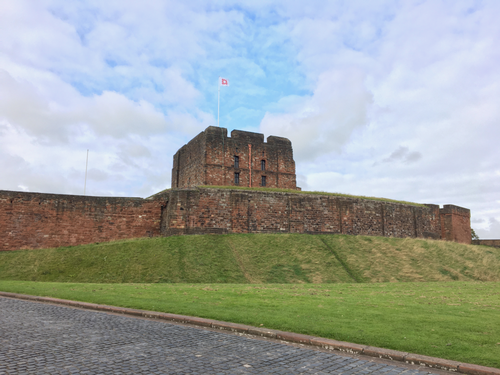
At the other end of the county, close to the Scottish border, is the capital city of Cumbria, Carlisle. This English Heritage castle was constructed in the 11th century and, in light of its strategic significance, features in much of British history in the intervening period. Visitors can roam through castle themselves or as part of a guided tour. There is a Museum of Military Life and various exhibitions – permanant and temporary.
More detail on on all the above can be found on the respective websites and social media channels.